The Drop Is Gone. The Thread Lives Forever. Why Fan Discourse Outlasts the Merch Itself.
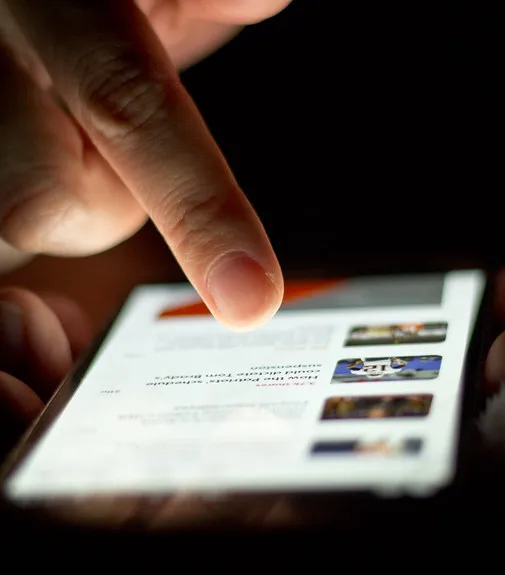
Photo: Japanexperterna.se, CC BY-SA 2.0, via Wikimedia Commons
Somewhere out there, a screenshot lives on someone's camera roll. It's a tweet — maybe a ratio'd hot take about a colorway being mid, maybe a stitch of a fan losing their mind when checkout crashed, maybe just a single reply that said "I would die for this tote bag" and got 47,000 likes. The merch? Resold twice, sitting in a closet in Tempe, Arizona. The tweet? Gone. Suspended account, deleted thread, platform implosion — take your pick.
And somehow, the loss of the tweet stings more.
This is the weird emotional math of modern fandom. We say we want the object. We camp out, we set timers, we open seventeen browser tabs. But when you really dig into what fans mourn when a merch era ends, it's rarely the physical thing. It's the moment. The collective noise around it. The discourse.
Merch as Event Horizon
Every major drop creates two things simultaneously: a product and a cultural event. The product has a SKU. The event has a vibe, a vocabulary, a set of inside jokes that only existed for about 72 hours before the algorithm buried them.
Think about any merch release that went genuinely viral in the last few years. The thing people remember isn't the thread count of the shirt. It's the chaos. The fan who posted their empty cart seventeen times. The discourse about whether the price point was predatory. The comparison posts. The "I got one" flexes and the "I missed it" lamentations, all piling up in real time like some kind of collective emotional receipt.
That receipt is ephemeral by design. Instagram Stories vanish in 24 hours. Tweets get deleted when accounts get suspended or when someone thinks better of their hot take. Discord servers archive into oblivion. The conversation around a drop has a shorter shelf life than the drop itself — and that scarcity, it turns out, makes it more valuable in memory.
The Nostalgia Gradient
Here's something collectors don't talk about enough: nostalgia doesn't attach evenly. It clusters around specific sensory and social triggers, and for a generation that grew up online, those triggers are often textual. A particular font. A specific meme format. The way a certain community talked about a thing in a certain year.
When a Discord server goes dark or a subreddit gets nuked, fans don't just lose a communication channel. They lose an entire dialect. The shorthand, the recurring bits, the shared references that made talking about a piece of merch feel like being part of something. The hoodie can be replicated. That specific thread where someone compared the drop to a Hunger Games reaping — and everyone ran with it for a week — cannot.
This is why archivists exist in fandom spaces. Not just people saving images of the actual merch, but people screenshotting threads, compiling receipts, building Google Docs that document how people felt about a release in real time. That documentation is treated as sacred. Sometimes more sacred than the object itself.
When the Conversation Becomes the Artifact
There's a concept in cultural studies called the "paratext" — all the surrounding material that frames and shapes how we experience a primary text. Reviews, interviews, fan theories, commentary. For merch, the paratext is the discourse: the hype posts, the unboxing videos, the complaint threads, the memes.
What's fascinating is that for a lot of collectors, the paratext is the primary experience. They weren't able to cop the item. Or they got it but it was somehow anticlimactic. The real hit came from being online during the drop window — refreshing feeds, watching the chaos unfold, participating in the collective freakout. The item was almost secondary.
Ask someone about a merch piece they love and they'll often spend more time describing the context of getting it than describing the object. "I was in a group chat with these people I'd met through the fandom, and we were all on at 2 a.m. EST, and the site crashed three times..." That story is the real product. The physical item is just the souvenir that proves the story happened.
What Gets Lost When Platforms Die
This isn't abstract. Platforms actually die. Vine is gone. Tumblr is a ghost town. Twitter has been through enough identity crises that entire eras of fan culture have been functionally erased. When those platforms collapse or change, they take entire ecosystems of merch discourse with them.
The fans who were active during a specific drop on a now-dead platform often describe it with a kind of wistfulness that doesn't track with the physical object. They're not mourning the tee. They're mourning the room they were in when they got the tee. The community, the moment, the specific flavor of collective excitement that existed only in that context.
This is why some of the most prized items in collector circles aren't the rarest physical pieces — they're the items that were drops during a culturally significant moment. The merch that dropped the day a major announcement happened. The piece that sold out during a live event that the whole fandom watched simultaneously. The item is a timestamp more than a thing.
What This Means for Merch Going Forward
Brands and creators who get this — who understand that they're not just selling objects but engineering moments — have a serious edge. The discourse isn't a side effect of the drop. It is the drop. The tweets, the Stories, the Discord threads, the Reddit posts: that's where the cultural value actually lives.
Some creators are starting to lean into this deliberately. Limited screenshot archives. Community documentation projects. Drops designed to generate a specific kind of online reaction. It's merch as performance art, with the audience as co-creators of the artifact.
For collectors, it's worth sitting with the question of what you're actually collecting. The item? Sure. But also the story of getting it. The community you were part of when it dropped. The screenshots you saved. The thread you still think about even though the account that posted it has been gone for two years.
The hoodie fades. The moment doesn't — at least not until the platform does.
And when that happens, the screenshot on your camera roll becomes the rarest piece in the collection.