Cold Storage and Cult Status: What Happens to Fan Merch When the Lights Go Out
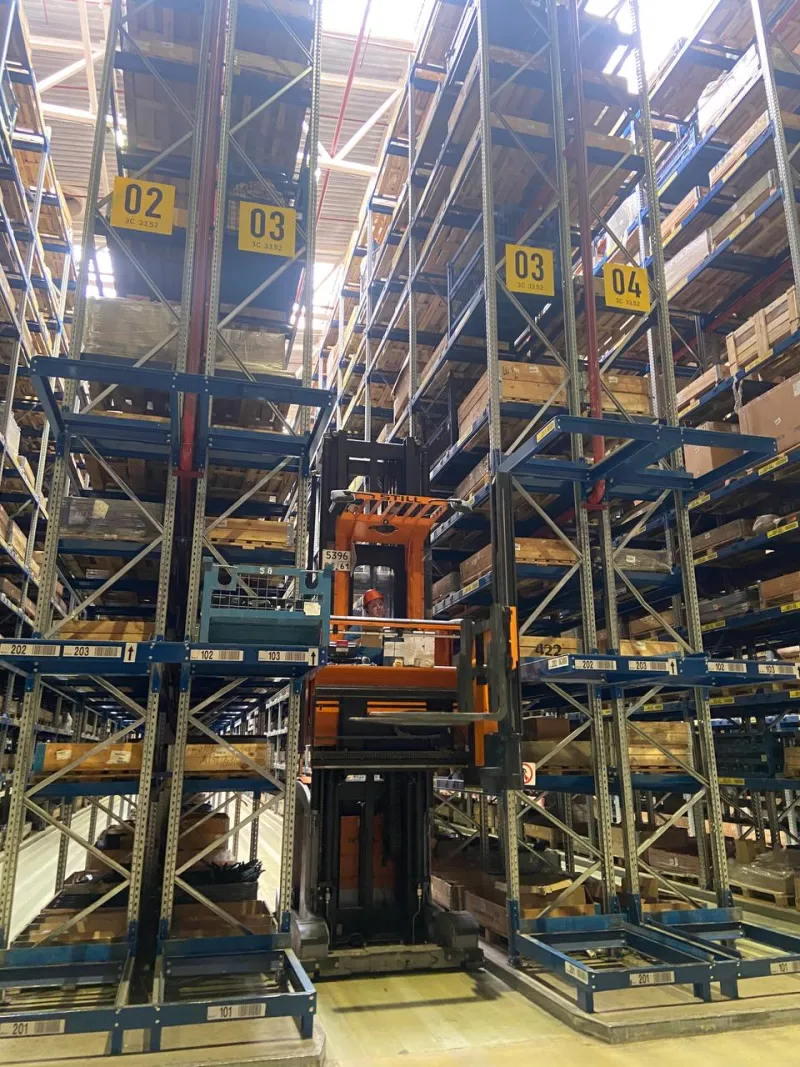
Photo: Natalia Senatorova, CC BY-SA 4.0, via Wikimedia Commons
Somewhere in a climate-controlled warehouse outside of Indianapolis, there are 3,000 unsold hoodies from a show that got cancelled mid-season. Nobody ordered them. Nobody destroyed them. They just sit there, stacked on metal shelving under fluorescent lights, tags still attached, waiting for a cultural moment that may or may not ever arrive.
This is the merch afterlife. And it's way more interesting than you'd expect.
The Warehouse Nobody Talks About
When a fandom collapses — whether from a show cancellation, a band breakup, a studio shuttering, or just the slow drift of public attention — the physical stuff doesn't disappear. It migrates. Licensing agreements expire. Retail contracts end. And a whole lot of product ends up in fulfillment centers, third-party storage units, and liquidation warehouses scattered across the country.
These places aren't glamorous. They smell like cardboard and industrial cleaner. The people who work there are tracking inventory, not cultural history. But walk the aisles long enough and you start to realize you're inside a kind of accidental museum — one where the exhibits are still in their original packaging.
Managers at these facilities will tell you the same thing: the merch that accumulates the longest is almost never the stuff from massive franchises. The big IPs get pulled, redistributed, or destroyed before they sit too long. It's the mid-tier stuff — the cult show with passionate but small numbers, the indie band that almost broke through, the video game that had a dedicated following but never hit mainstream — that ends up in storage purgatory.
Why It Doesn't Get Destroyed
Here's the thing about destroying merch: it costs money and it requires a decision. Liquidation is easier. And sometimes, the people holding the inventory are genuinely uncertain whether a property might be worth something later.
That uncertainty is doing a lot of work here. A licensing manager at a mid-size entertainment company once described it as "hedging against nostalgia." You don't know when something is going to resurface in the cultural conversation. A forgotten sci-fi series gets picked up for a reboot. A musician posthumously becomes iconic. A game gets a surprise sequel announcement. Suddenly, that warehouse full of old tees isn't liability — it's inventory.
Collectors who track these spaces closely call it the "dormancy window" — the period between cultural irrelevance and potential resurrection. Most merch doesn't survive it. But some does. And the stuff that does tends to emerge with a completely different value proposition than it had originally.
The Archivists Who Care When Nobody Else Does
Not all of these storage situations are accidental. There's a small but serious community of people — some affiliated with studios or labels, some operating independently — who actively work to preserve fan merch as a form of cultural documentation.
Think about it this way: a tour t-shirt from 1987 tells you something about graphic design trends, about what that artist wanted to project, about what their audience was expected to wear. A promotional tee from a mid-2000s sci-fi series tells you about network marketing strategies, about fandom aesthetics of that era, about what "cult" looked like before streaming changed everything.
Some of this material ends up in university archives or entertainment industry collections. A lot of it ends up in private hands — collectors who specifically seek out "dead stock" not to resell it, but to document it. They photograph it, catalog it, cross-reference it with release dates and cultural events. It's legitimate archival work, even if it happens in someone's climate-controlled basement in Ohio.
When the Dead Come Back
The resurrection story is the one everyone wants to hear. And it does happen — more often than you'd think.
A property goes cold. Years pass. Then something shifts: a streaming platform acquires the rights, or a creator revisits their old work, or a new generation discovers the original through social media. And suddenly the brand has a second life. When that happens, whoever is sitting on the old inventory has a decision to make.
Sometimes they reissue it with "vintage" framing, leaning hard into the nostalgia angle. Sometimes they quietly liquidate it to resellers who then mark it up as "original run" pieces. Sometimes — and this is the scenario collectors love to hate — the company just destroys it to protect the value of new product.
That last move is increasingly controversial in fan communities. The logic is purely commercial: you don't want a flood of old merch undercutting your new launch. But for collectors and archivists, it represents an irreversible loss. Once it's gone, it's gone. The record disappears.
What Gets Lost When Nothing Gets Saved
Here's the part that doesn't get talked about enough: fan merch is primary source material. It documents what a fandom looked like at a specific moment in time. The design choices, the quality of the materials, the price point, the distribution method — all of that reflects something real about the relationship between a property and its audience.
When that material is destroyed or simply allowed to degrade in improper storage, that record goes with it. Fans who want to understand the history of their fandom — how it grew, what it looked like before it got big, what it felt like to be in it early — lose access to a tangible piece of that story.
This is part of why the collector community takes dead stock so seriously. It's not just about owning something rare. It's about preserving something that might otherwise vanish completely.
The Merch That Waits
Back to those hoodies in Indianapolis. They're still there, probably. Stacked and sealed, waiting for a cultural moment they may never get. The show they came from has a small but dedicated following online — the kind of fandom that maintains wikis and rewatch podcasts and occasionally floods a studio's social media with revival demands.
Maybe it works. Maybe those hoodies get a second life, pulled from storage and reframed as relics of something that almost was. Maybe they end up on a liquidation site, sold in bulk to a reseller who prices them at $40 each and markets them as "rare original merch."
Or maybe they just sit there. Documented by nobody, owned by nobody who cares, slowly becoming the kind of thing that only turns up when someone cleans out a warehouse and wonders what to do with a pallet of old merchandise from a property nobody remembers.
The merch graveyard is real. But so is the resurrection. And the difference between the two is usually just time — and whether anyone was paying attention.