Promoted, Buried, or Gone: The Hidden Rules That Decide Which Merch Drops You Ever See

Photo: Dietmar Rabich, CC BY-SA 4.0, via Wikimedia Commons
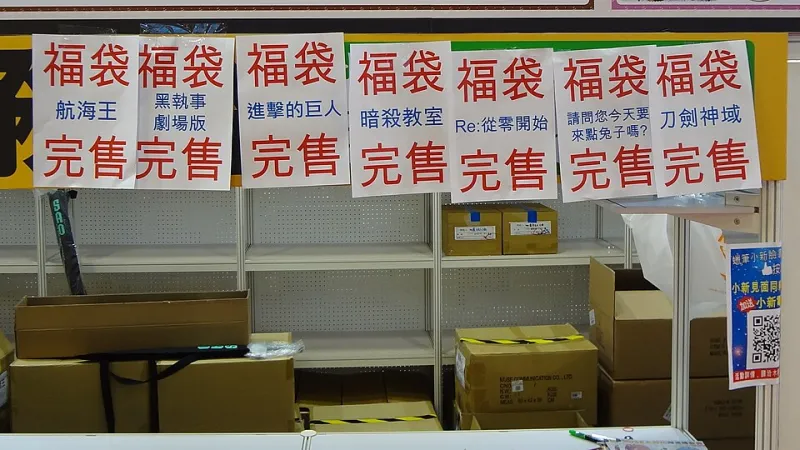
You've been there. A creator you follow mentions a drop in passing — a limited hoodie, a numbered print, something that felt like it mattered — and by the time you went looking, it was just... gone. Not sold out. Not archived. Just absent, like it never existed. No listing, no trace, not even a dead link to mourn.
That's not an accident. And it's not always the creator's fault either.
There's a whole invisible infrastructure running underneath every merch drop you've ever loved or missed, and it's making decisions about visibility, longevity, and discoverability that most fans — and honestly, most creators — never think about. Platforms are not neutral shelves. They're active participants in what lives and what gets buried.
The Algorithm Isn't Watching Your Drop. It's Judging It.
When a creator lists a product on a major e-commerce or print-on-demand platform, the listing enters a kind of probationary period. Platforms like Shopify, Spring (formerly Teespring), and even the merch integrations baked into YouTube and Twitch are constantly evaluating engagement signals — clicks, conversion rates, time-on-page, share activity — and using those signals to determine how much organic visibility a listing deserves.
A drop that moves units fast gets surfaced. It shows up in recommendations, in platform newsletters, in "trending" sections that most users assume are curated by humans. A drop that sits quiet for 48 to 72 hours after launch? It starts to slide. The algorithm interprets low early engagement as low relevance, which means less promotion, which means fewer eyes, which means even lower engagement. It's a self-fulfilling spiral, and it hits smaller creators the hardest.
This is why the first hour of a drop matters so disproportionately. Fans who buy early aren't just enthusiastic — they're functionally keeping the listing alive.
Social Platforms Have Their Own Agenda
It doesn't stop at the storefront. When creators promote a drop on Instagram, TikTok, or X, they're running a second algorithm gauntlet entirely. Social platforms have complicated relationships with external links — especially ones that pull users away from the app. Posts that include direct shop links often get suppressed in reach, sometimes dramatically.
Some creators have learned to work around this by posting the link in comments, in bios, or in Stories rather than in the main caption. Others go link-free entirely and rely on name recognition to drive search traffic. But not every creator knows these workarounds, and newer ones especially are flying blind.
The result is that a genuinely great drop can get functionally invisible not because nobody wanted it, but because the post announcing it got throttled before it reached even a fraction of a creator's own following. The merch graveyard is full of things that deserved better distribution.
What Platforms Actually Archive (And What They Don't)
Here's where it gets murky in a different way. When a creator ends a drop — either because the limited run sold out, because a campaign window closed, or because they just moved on — the listing doesn't always go somewhere logical.
On some platforms, ended listings are fully removed from public view but remain accessible to the creator in a backend dashboard. On others, they're deleted outright, taking any associated SEO, review history, or fan discovery potential with them. And on platforms where the creator has since left or had their account suspended? Those listings often vanish entirely, even if the products were beloved and fans are still searching for them years later.
There's no industry standard for merch archiving. No equivalent of a Wayback Machine that captures what a drop looked like, what it cost, or how it sold. The institutional memory of fan merch culture exists mostly in screenshots, Reddit threads, and the occasional Discord server where someone had the foresight to document things before they disappeared.
The Creator Dashboard Problem
Creators themselves are often working with surprisingly limited information. Most platform dashboards show basic sales metrics, but very few give creators a clear picture of why a drop underperformed. Was it the timing? The price point? The fact that the announcement post got buried? The thumbnail?
Without that feedback, creators often draw the wrong conclusions. A drop that got suppressed by an algorithm might get written off as a concept that didn't resonate — when in reality, the product was solid and the distribution just failed it. That shapes future creative decisions in ways that aren't always good for fans.
Some larger creators now work with third-party analytics tools that give them a more granular view of traffic sources, drop-off points, and referral patterns. But that infrastructure costs money and requires a level of business sophistication that most independent creators building fan merch don't have yet.
Why Some Drops Feel Inevitable
On the flip side, you've probably noticed that certain drops feel like they're everywhere. The algorithm isn't just burying things — it's also amplifying them, sometimes aggressively.
Drops that benefit from early momentum (whether organic or manufactured through coordinated fan communities), that hit the right price-to-perceived-value ratio, or that come from creators with existing platform relationships often get a visibility boost that compounds on itself. Platform staff picks, featured placement in newsletters, and affiliate partnerships all layer on top of the base algorithm to create the impression that a release was simply destined to succeed.
It wasn't destiny. It was infrastructure, timing, and in some cases, a creator or their team knowing exactly which levers to pull.
What This Means If You Actually Care About the Drops You Love
For fans, understanding this system is mostly useful as a kind of emotional context. That drop you missed probably wasn't a failure. It was likely a victim of invisible mechanics that had nothing to do with whether it deserved to exist.
For collectors, it reinforces something you probably already know intuitively: the things that survive aren't always the best things. They're the things that got lucky with timing, or had the right community behind them at the right moment, or happened to launch when an algorithm was in a generous mood.
And for anyone building merch — whether you're a creator, a small brand, or just someone obsessed enough to be thinking about it — the lesson is that the product is only half the battle. The other half is a system that wasn't built with you in mind, and learning to navigate it is its own full-time job.
The graveyard keeps growing. Most of what's in it didn't have to be there.