Somewhere in Ohio, Your Favorite Drop Is Collecting Dust on a Pallet
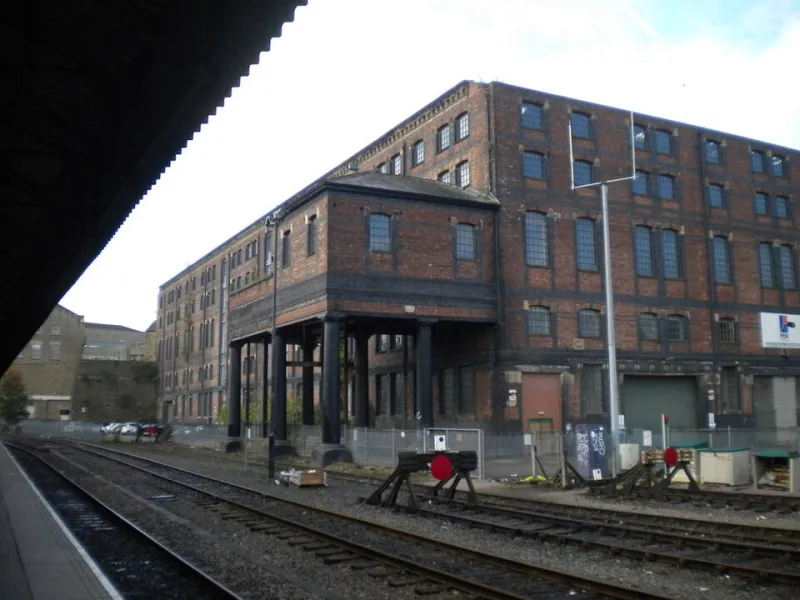
Photo: Richard Vince , CC BY-SA 2.0, via Wikimedia Commons
There's a warehouse somewhere in the Midwest — could be Ohio, could be Indiana, could be any of those flat, industrial stretches of American geography that don't show up on anyone's mood board — where thousands of hoodies from a dead streetwear brand are stacked floor to ceiling. Still folded. Still tagged. Still waiting for a customer who is never coming.
This is the merch graveyard. It's real, it's unglamorous, and it's a lot bigger than you'd think.
What Happens After the Drop Dies
Most people assume unsold merch just gets trashed or donated. Some of it does. But the economics of bulk inventory are weird and specific, and the reality is that most dead stock doesn't vanish — it migrates.
When a brand folds, a creator goes dark, or a licensing deal expires, somebody still owns those boxes. Manufacturers get paid upfront, so they're usually out of the picture. The liability falls on whoever placed the original order — a merch company, a management team, a startup that burned through its runway. Those people need to recoup something, even if it's pennies on the dollar.
That's where liquidators come in.
Liquidation in the merch world works roughly the same way it does in retail. Companies like B-Stock, Direct Liquidation, and smaller regional auction houses buy excess inventory in bulk — sometimes sight unseen, sometimes from a manifest — and then resell it to secondary buyers. Those buyers might be discount retailers, flea market vendors, or, increasingly, savvy collectors who know exactly what they're fishing for.
The price per unit can drop to almost nothing. We're talking $1.50 for a hoodie that retailed at $65. The math only works at scale, which is why the minimum bids on these lots often start in the thousands of dollars.
The Warehouse Ecosystem Nobody Talks About
Picture a logistics chain that exists almost entirely in the background of the fandom economy. There are fulfillment centers that handle merch for dozens of creators simultaneously. When one of those creators stops generating revenue, their inventory doesn't get a funeral — it gets a manifest number.
Some fulfillment companies hold dead stock for months, charging storage fees until whoever owns it decides to cut their losses. Others have relationships with liquidators baked into their contracts. The moment an account goes delinquent or a brand officially shuts down, the inventory gets flagged and bundled.
The stuff that doesn't move through formal liquidation channels often ends up with what the industry calls "jobbers" — independent wholesalers who specialize in distressed goods. These are people who've built entire businesses on knowing which brands are struggling before the public does. They'll buy a pallet of graphic tees from a defunct YouTube creator's 2021 holiday drop and sell them individually on eBay, or bundle them into mystery boxes, or sit on them for a few years until nostalgia does the pricing work for them.
It's a whole shadow economy, and it runs on information asymmetry.
The Collectors Who Hunt These Places
Here's where it gets interesting for anyone who cares about merch as more than just a transaction.
There's a growing subset of collectors who actively seek out liquidation lots, estate sales, and closeout warehouses specifically looking for discontinued fandom merch. Not to flip immediately — though some do — but because the graveyard is genuinely one of the last places you can find pieces that have otherwise vanished from the market.
Think about it. A limited drop from 2018 that sold out in forty minutes and now commands $200 on Depop? There might be a hundred units of it sitting in a fulfillment center somewhere because they were earmarked for a pop-up that never happened. The secondary market doesn't know they exist. The original brand doesn't care anymore. But a liquidation buyer who got lucky on a mixed lot? They just found the white whale.
Collectors who do this seriously treat it like prospecting. They monitor liquidation auction sites the way other people monitor StockX. They build relationships with warehouse managers and fulfillment reps. They know which regions tend to accumulate which types of inventory. It's obsessive, unglamorous work, and occasionally it pays off in a way that no amount of refreshing a drop page ever could.
Why Brands Don't Talk About This
Ask any merch brand what happens to their unsold inventory and you'll get one of three answers: we donate it, we destroy it, or a vague non-answer that implies neither. Almost none of them will tell you it went to a liquidator, because that feels like a brand failure — an admission that the demand wasn't there.
But the destruction narrative is largely mythological. Yes, some brands do destroy unsold merch (we've written about that cold logic before). But wholesale destruction is expensive and, increasingly, a PR liability in an era when sustainability optics matter. Liquidation is quieter. It moves the problem off the books without the theatrics.
The irony is that the graveyard actually preserves things. Merch that gets liquidated has a chance of surfacing again. Merch that gets shredded or incinerated is just gone. So in a weird way, the warehouse is the more hopeful outcome — at least for the collector who finds the right pallet at the right auction.
What It Means for the Stuff You Actually Want
If you're the kind of person who takes merch seriously — who thinks about the objects you own as artifacts of a specific moment in your relationship with a creator or a community — then the liquidation pipeline is worth understanding.
It means that some of what you're looking for isn't on Depop or eBay yet. It means the secondary market price you're seeing might not reflect actual scarcity. And it means there are people out there doing the unglamorous work of digging through manifests and bidding on pallets, occasionally pulling out something genuinely rare.
The graveyard isn't just a sad ending. For the right person, it's an opening.
Somewhere in Ohio, your favorite drop is waiting. Folded. Tagged. Slightly dusty. Completely available, if you know how to look.