Sealed, Stacked, and Never Touched: Inside the Mind of the Collector Who Buys to Keep
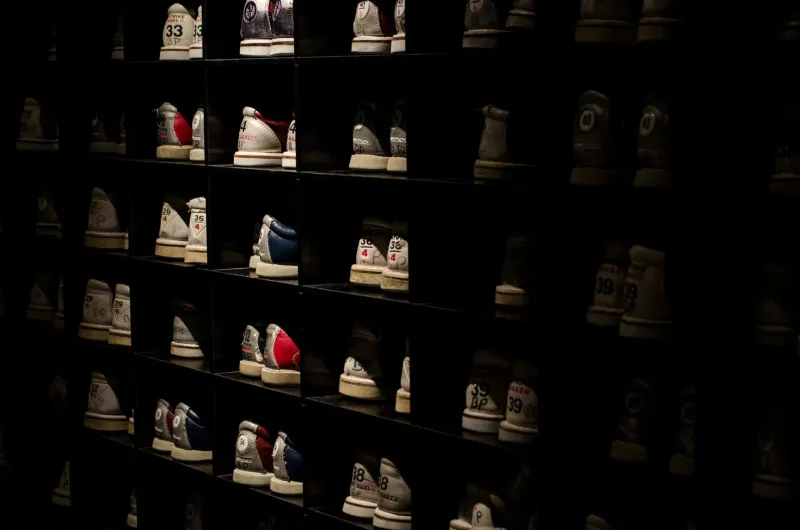
There's a closet somewhere in suburban Atlanta that contains, by last count, eleven unopened boxes. Hoodies, tees, a limited-run enamel pin set, two collab drops that sold out in under four minutes. None of it has ever been worn. Most of it has never even been fully unboxed. The person who owns all of it knows exactly where every piece came from, what it cost, what it's worth now, and—if pressed—what it means to them.
What they can't fully explain is why they bought it.
Or rather, they can explain it. They just know it sounds weird out loud.
The Drop Is the Point. The Product Is Secondary.
Limited merch culture has always operated on a kind of controlled scarcity logic. Fewer units means higher desire. Higher desire means faster sellouts. Faster sellouts mean more cultural weight attached to whatever just disappeared. It's a loop that benefits creators, resellers, and platforms alike. But somewhere inside that loop, a different kind of collector emerged—one who isn't buying for the flex, isn't buying to flip, and definitely isn't buying to wear the thing on a Tuesday.
They're buying to have secured it.
That distinction sounds subtle, but it's actually massive. For these collectors, the act of copping a limited drop is the emotional event. The item itself is almost incidental—a physical receipt proving they were there, they were fast enough, they cared enough. What happens to the hoodie after checkout is almost beside the point.
Psychologists who study consumer behavior have a name for adjacent thinking: anticipated utility versus acquisition utility. Most people buy things because they expect to use them. But a growing segment of buyers gets the bulk of their satisfaction from the acquisition itself—the hunt, the win, the ownership. The experience of getting it delivers more than the experience of having it around.
In merch culture, that gap between getting and using has become its own subculture.
The Emotional Insurance Policy
Talk to enough collectors and a second motivation starts to emerge, one that's harder to quantify but easier to feel. Some of these purchases aren't about pride or investment. They're about grief prevention.
Limited drops by definition go away. Once they're gone, they're gone—or they're $400 on StockX, which for most fans is functionally the same thing. So buying a drop and keeping it sealed is a hedge against future regret. It's saying: whatever happens next, I can't lose this.
That logic applies especially hard when the merch is tied to a creator or franchise that feels fragile. A beloved YouTuber who might burn out. An indie band that might break up. A niche brand that's clearly operating on vibes and a prayer. Fans who've been through the cycle before—who watched something they loved disappear and took nothing physical with them—learn to grab and hold.
The sealed item becomes a kind of emotional insurance policy. Not against financial loss, necessarily. Against the specific pain of having nothing left when something ends.
So Is It an Investment or Isn't It?
Here's where it gets complicated. Ask a vault collector whether they think of their haul as an investment and most will hedge. Kind of. Not really. Maybe someday.
Very few of them are running spreadsheets. Very few are tracking resale comps with the discipline of an actual flipper. But almost all of them are aware—at some low hum in the background—that the sealed item is worth more than the opened one. That the box-fresh hoodie with the hang tag still on it commands a premium that disappears the moment someone puts it on.
That awareness shapes behavior without fully explaining it. It's less "I am making a calculated financial decision" and more "I know that opening this changes something, and I'm not ready to change it yet."
For some collectors, yet stretches into years. The box stays closed not because they're holding for a specific price target, but because opening it would mean making a choice about what the thing is—a wearable item or a relic—and they're not ready to collapse that into one answer.
The Display Paradox
There's another layer here that doesn't get talked about enough: the relationship between visibility and value in collecting culture.
Most collecting hobbies assume display is the goal. You build the shelf. You arrange the figures. You light the case. The collection is meant to be seen, at least by you, ideally by others. But vault collectors often operate in the opposite direction. The items are stored, not shown. Stacked in closets, tucked into bins, sometimes still in the shipping box they arrived in.
And yet these collectors don't feel like they're missing out on the display experience—because the display isn't the point. The knowledge of ownership is the point. They know it's there. They know exactly what it is and what it cost and how hard it was to get. That internal ledger is the collection. The physical objects are just the evidence.
It's a headspace that's genuinely hard to explain to someone outside it, but makes complete sense once you've felt the particular satisfaction of locking in a drop that sold out everywhere else. The win lives in you, not on your wall.
When the Vault Becomes a Weight
Not everyone stays comfortable with the accumulation. Some collectors hit a point—usually around the time they're moving apartments or genuinely running out of storage—where the vault starts to feel less like a trophy room and more like a commitment they didn't fully think through.
The stuff is too valuable to casually donate. Too meaningful to sell without guilt. Too sealed to actually use. It just... exists. Taking up space and carrying emotional freight that gets heavier the longer it sits.
A few collectors in this situation start selling, and describe the process as unexpectedly painful—not because of the money, but because liquidating the collection forces them to reckon with what it was for. If you never wore it and now you're selling it, what was the point? The honest answer, for a lot of them, is that the point was the moment of getting it. Everything after that was just storage.
What It Actually Means to Own Something
Vault collecting sits in genuinely interesting philosophical territory for anyone who thinks about fandom and merchandise. It pushes on the question of what ownership actually means when the owned thing is never used, never displayed, and only occasionally looked at.
But maybe that framing is too transactional. Maybe ownership, for these collectors, is less about utility and more about allegiance. The sealed box is a statement: I was here. I cared. I got it before it was gone. The fact that it's still sealed is almost proof of the depth of that care—proof that they respected it too much to just throw it on and forget about it.
Whether that logic holds up under scrutiny kind of depends on who you ask. But for the collectors living it, it holds up just fine.
The box stays closed. The collection grows. And somewhere in Atlanta, there's a closet that knows exactly who its owner is, even if nobody else ever sees inside it.